Laboratory of Biocybernetics
Electroporation-driven research from basics to applications
LBK studies electroporation across fundamental science, modeling, experimental systems, hardware, and real-world applications in medicine, biotechnology, and industry.
Upcoming event
Electroporation-Based Technologies and Treatments (EBTT 2026)
International scientific workshop and postgraduate course on electroporation-based technologies and treatments.
Projects
Featured active projects
A selection of ongoing research spanning cardiac electroporation, antimicrobial applications, and fundamental biophysics.
Research Programme: Electroporation-Based Technologies and Treatments
Electroporation is a well established method used to increase permeability of the cell plasma membrane for molecules otherwise deprived of membrane transport mechanisms, by an externally applied electrical field. Its broad spectrum of applications extends into different fields, such as medicine, biotechnology, environmental sciences.
CardioEP - Experimental and clinical cardiac (electro)physiology, and electroporation-based cell and gene therapy
Cardiovascular diseases are the most common cause of death, accounting for one third of all deaths in the EU (Eurostat data for 2022) and representing a growing healthcare and societal burden. The CardioEP project connects research groups from four faculties of the University of Ljubljana, the University Medical Centre Ljubljana, the Institute of Oncology Ljubljana, and the Jožef Stefan Institute, to develop new methods for treating cardiac diseases based on electroporation.
Reversible and irreversible cardiac electroporation: Establishing the fundamentals to advance cardiac treatments
Cardiovascular diseases are the No. 1 healthcare challenge in the world, among which ischemic heart disease and atrial fibrillation are the most prevalent.
Startup research programme: Electrical excitability of biological cells and tissues in silico
The long-term vision of this startup research programme is to develop pipelines for multiscale computational modelling based on bottom-up principles that will enable mechanistic interpretation for the changes in cell and tissue excitability induced by high-intensity pulsed electric field (PEF). The first step is to follow up on our recent findings obtained with bioengineered S-HEK cells as minimal excitable systems and establish a theoretical framework that will enable us to model their response to high-intensity PEF.
Reseach project in the scope of the ARIS Call for Proposals for (co)funding of projects and programmes to enhance the international mobility of Slovenian researchers and research organisations and to promote the international engagement of Slovenian applicants
The project continues and extends the research initiated within the MSCA-IF project " Controlling the susceptibility of biological cells to pulsed electric field treatment by using ion channel modulators - EPmIC". The project investigates how the exposure of biological cells to intense pulsed electric field, which triggers the electroporation phenomenon, affects cellular electrophysiology, survival and gene transfection and how the response of cells after electroporation can be influenced by ion channel modulators.
Electroporation as a potentiator of antimicrobial efficacy
Many antibiotics are no longer effective against a growing number of pathogens, and antibiotic resistance is increasingly becoming a global health threat. In addition, chronic bacterial diseases can significantly worsen the outcome of concurrent viral infections, including COVID-19.
Highlights
LBK at a glance
85
Research projects since 1996
9
Currently active projects
36
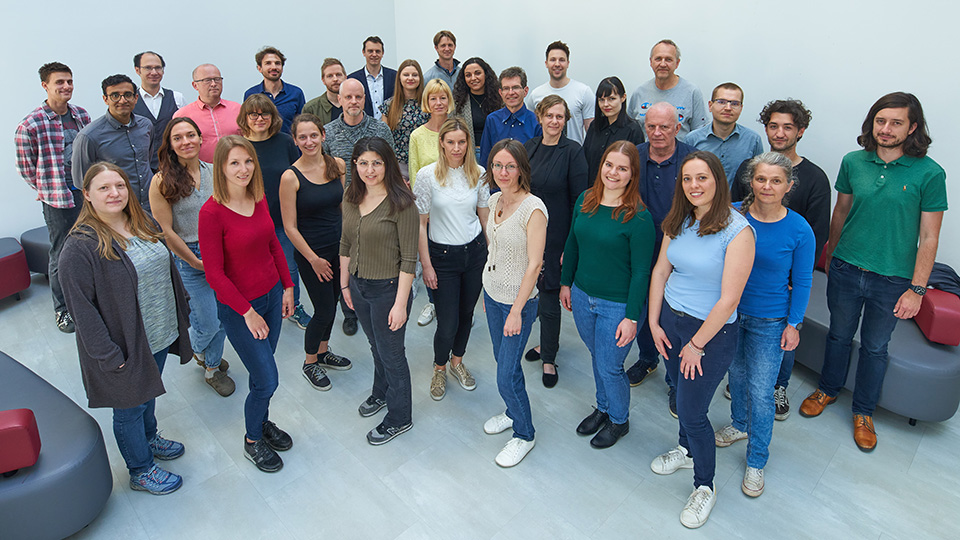
Team members across all groups
People
Meet the researchers
Senior faculty and researchers leading electroporation research at LBK.

Prof. Damijan Miklavčič
Research programme leader

Prof. Tadej Kotnik
Head of the laboratory

Assoc. Prof. Lea Rems
Research associate
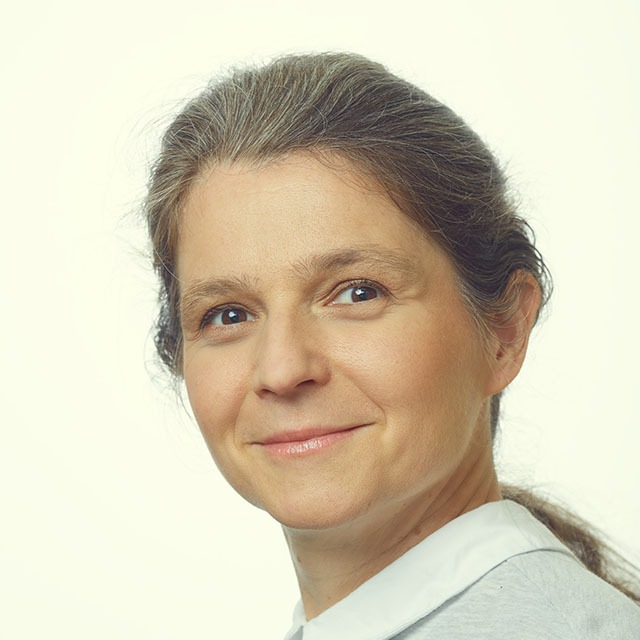
Assoc. Prof. Alenka Maček Lebar
Professor
For students
Study, research, and thesis opportunities at LBK
LBK offers undergraduate and graduate thesis projects, internships, and PhD positions across electroporation science, numerical modeling, hardware development, and biomedical applications.